Decoding Today’s Climate: Top Geopolitical Speakers in Asia
- Geopolitical complexity across Asia has moved from foreign ministry agenda to boardroom priority.
- The strongest speakers come from 4 backgrounds: former heads of government, diplomats, economists, and political insiders.
- Regional credibility matters more than general prestige — audiences want depth on the dynamics that directly affect them.
- Format fit is as important as speaker fit: keynotes, roundtables, and firesides each demand something different.
- London Speaker Bureau works directly with organisers to match speakers to context, not just to brief.
Decoding Today’s Climate: Top Geopolitical Speakers in Asia
The rules-based order is being rewritten in real time, and Asia is where most of that rewriting is happening. From ASEAN’s evolving architecture to the recalibration of US trade policy, the questions that once sat with foreign ministries are landing directly on the desks of chief executives, investment committees, and family office principals.
Audiences no longer want a tour of the headlines. They want a top geopolitical keynote speaker who can help them read the signal, weigh the risk, and act with conviction. The speakers below are among the most sought-after in the region — and the reasons why are worth understanding before you book.
Is Geopolitical Expertise Now a Boardroom Priority in Asia?
Few regions are carrying more live geopolitical risk right now. The Thailand-Cambodia border dispute, the stalled South China Sea Code of Conduct, Myanmar’s ongoing instability, and Timor-Leste’s integration as ASEAN’s 11th member are all active files. US trade policy remains in flux, and energy security has returned to the top of the agenda following sustained Middle East tensions.
The right speaker brings what internal briefings rarely deliver: pattern recognition built across decades of governing, negotiating, or analysing these systems from the inside. Organisations frequently anchor their strategic planning sessions by consulting our specialised roster of economics and government speakers to translate these macro shifts into actionable operational insights.
Who Are the Top Geopolitical Keynote Speakers in Asia Right Now?
The speakers below are among the top geopolitical keynote speakers in Asia, sought after by boards, ministries, and leadership summits across the region.
Former Heads of State and Government Leaders
Former heads of government bring the experience of having sat in the chair, signed the trade deal, and lived with the consequences.
- Abhisit Vejjajiva served as the 27th Prime Minister of Thailand from 2008 to 2011, governing through the Great Recession and a period of intense domestic political conflict. Oxford-educated in philosophy, politics, and economics, he speaks on Thai politics, ASEAN dynamics, and the balance between Beijing and Washington. He returned as leader of the Democrat Party in October 2025.
- Helen Clark was Prime Minister of New Zealand for 3 consecutive terms from 1999 to 2008, then served 2 terms as Administrator of the United Nations Development Programme from 2009 to 2017. She speaks on sustainable development, gender equality, global health, and Asia-Pacific cooperation.
Diplomats and Former Senior Government Officials
Diplomats translate between systems for a living — building the relationships and steering the conversations that shape eventual policy.
- Dr Marty Natalegawa served as Indonesia’s Minister of Foreign Affairs from 2009 to 2014, having previously been Indonesia’s Permanent Representative to the United Nations and Ambassador to the United Kingdom. An early advocate of the dynamic equilibrium concept for the Indo-Pacific, he is also a published author on ASEAN affairs.
- Dr Dino Patti Djalal is a former Vice Minister for Foreign Affairs of Indonesia and former Indonesian Ambassador to the United States. He is the founder and chairman of the Foreign Policy Community of Indonesia, and has written widely on Indonesian foreign policy and US-Indonesia relations.
- Kishore Mahbubani spent 33 years in the Singapore Foreign Service, serving twice as Singapore’s Ambassador to the United Nations and as President of the UN Security Council. He was the founding dean of the Lee Kuan Yew School of Public Policy and is the author of several books on the rise of Asia.
Economists and Political Economy Specialists
Geopolitics now travels through balance sheets. Tariffs, capital flows, and supply chain decisions sit precisely where economics and politics meet.
- Yanis Varoufakis served as Finance Minister of Greece during the 2015 debt crisis. He is Professor of Economic Theory at the National and Kapodistrian University of Athens and co-founder of DiEM25. His work spans the European debt crisis, global financial imbalances, and game theory.
- Stephane Garelli is the founder of the IMD World Competitiveness Center and Professor Emeritus at IMD and the University of Lausanne. A former Managing Director of the World Economic Forum, he continues to publish on the competitiveness of nations and corporations.
- Keyu Jin is Professor of Finance and Research Chair at the HKUST Institute for Financial Research. She writes on the Chinese economy, technology competition, and international macroeconomics, and maintains active roles across global finance and policy networks.
Political Insiders and Global Affairs Commentators
The sharpest analysis often comes from those who sit just outside government — close enough to have access, independent enough to speak plainly.
- Anthony Scaramucci is founder and managing partner of SkyBridge Capital and founder and chairman of the SALT conference series. He briefly served as White House Communications Director in 2017 and is the author of several books on US politics, markets, and digital assets.
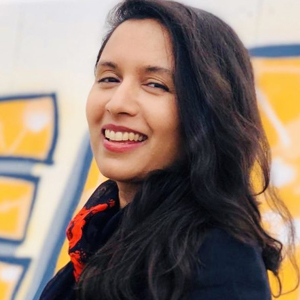
- Dr Maha Hosain Aziz is a professor in NYU’s MA International Relations Program, specialising in global risk and prediction. She is a World Economic Forum council member and the author of the Future World Order series — a body of work she is currently extending with A Global Spring and 10 Shock Events by 2030, making her one of the few voices actively mapping what comes next, not just analysing what has already shifted.
Choosing the right speaker starts with the right brief. Talk to the London Speaker Bureau team about who fits your event, your audience, and the questions your room needs answered.
What Should You Look for When Choosing a Geopolitical Speaker for Your Event?
Booking a geopolitical speaker is rarely about credentials alone. 2 factors consistently make the difference.
Regional Knowledge and Credibility
Generic global commentary falls flat with Asian audiences. What earns the room is depth on the specific region, sector, or relationship that matters. A speaker addressing US-China dynamics before a Jakarta audience needs to be fluent in how those tensions play out across ASEAN supply chains and capital markets. Credibility lives in proximity — diplomatic, academic, or commercial.
Format Fit and Audience Match
A keynote, a fireside chat, a closed-door roundtable, and a panel each ask something different of a speaker. Some are strongest in structured arguments. Others are far more powerful in conversation. A clear brief covers format, audience seniority, cultural mix, and the outcomes the organisation wants people to carry out of the room.
How London Speaker Bureau Asia Finds the Right Geopolitical Speaker for You
London Speaker Bureau Asia works with organisers across the region to identify the top geopolitical keynote speaker in Asia for institutional context. By drawing on long-standing relationships with former prime ministers, diplomats, economists, and global commentators. Well chosen, a geopolitical speaker leaves the room with a clearer view of the forces shaping decisions, and the confidence to act on them.
Talk to us about the right fit for your next event.
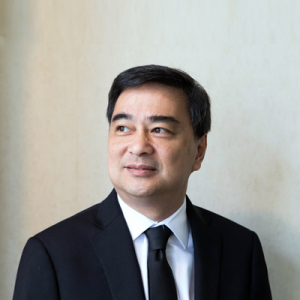
Abhisit Vejjajiva
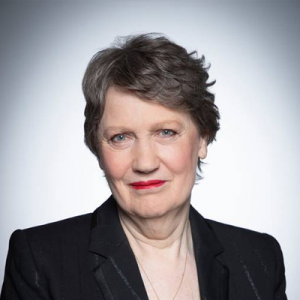
Helen Clark
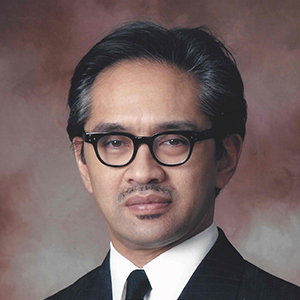
Dr. Marty Natalegawa
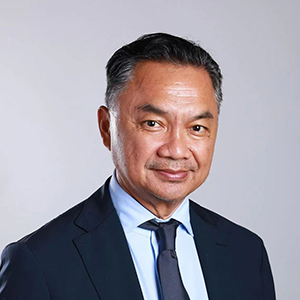
Dr. Dino Patti Djalal
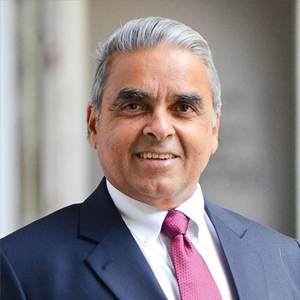
Kishore Mahbubani
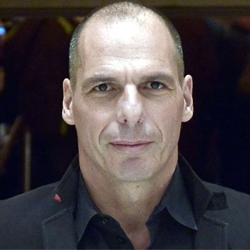
Yanis Varoufakis
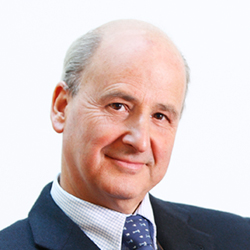
Stephane Garelli
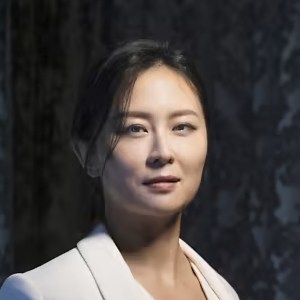
Keyu Jin
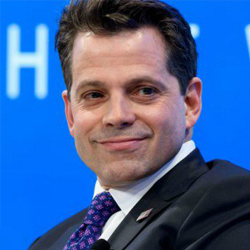
Anthony Scaramucci