


Hire the Right Futurist Speaker for Your Summit in Asia
TL;DR:
- A futurist speaker uses geopolitical analysis and scenario modelling to orient leadership around the next 5 to 15 years.
- ASEAN-specific pressures require a futurist who has operated in these markets, not one applying a Western framework to the room.
- Booking through London Speaker Bureau Asia costs event planners nothing. Speakers pay a standard commission from their established fee.
- The quality of your brief determines the quality of your keynote: define your strategic question, audience profile, and the one outcome you want the room to leave with.
- Book early: high-profile futurists fill months in advance, and the briefing process needs time to produce a keynote calibrated to your room.
Hire the Right Futurist Speaker for Your Summit in Asia
Most futurist keynotes don’t fail because the speaker lacks expertise. More often, the problem is a mismatch: the wrong speaker, in front of the wrong audience, addressing a question the room has already moved beyond.
At a CEO conference or ASEAN (Association of Southeast Asian Nations) leadership summit, delegates are typically senior executives who have heard the familiar trend summaries. The keynote needs to do more than recap what leaders already know. It should help the room make sense of what comes next and what it means for their organisations.
That requires a different kind of match in Asia. ASEAN integration, China-US technology decoupling, AI-driven disruption and the transition to a greener economy require a speaker who understands these issues in the context of the region. When you hire a futurist speaker in Asia, the right fit requires a bureau with genuine Asia-Pacific reach and an understanding of the region’s business environment and decision-making culture.
What Does a Futurist Speaker Actually Do?
A futurist keynote speaker draws on research, geopolitical analysis and scenario modelling (the practice of mapping multiple plausible futures to identify which strategic decisions remain resilient across different outcomes) to help leadership teams understand what the next 5 to 15 years could mean for their industry and region. Not every speaker with the futurist label takes this approach, so the distinction matters before you begin the briefing process.
For Asian corporate audiences, futurist keynotes tend to deliver the most value in these 3 formats:
- CEO Summits: The board needs to align around a long-term strategic question and benefit from a credible external perspective.
- Annual Conferences: Leadership wants to set a shared direction for the year ahead, rather than simply review the previous year’s performance.
- Strategy Days: A futurist’s scenario framing provides a forward-looking foundation for the working agenda that follows.
For something more interactive, the bureau also offers Masterclasses: executive-level workshops designed to promote collaboration beyond the traditional keynote.
The Topics Shaping Futurist Keynotes in Asia Right Now
The themes that resonate most for corporate audiences across Malaysia and ASEAN map directly to decisions that boards and leadership teams are navigating now. ASEAN’s ongoing economic integration continues to reshape the region’s competitive dynamics, while AI’s effect on knowledge work is already being felt across ASEAN industries.
The 4 macro-themes that Asia-literate futurists are addressing most frequently are:
| Theme | What It Covers for Asian Audiences |
| AI and automation | Effects on knowledge work, talent strategy, and competitive advantage across ASEAN markets |
| China-US technology decoupling | Supply chain implications, semiconductor access, and strategic positioning for regional businesses |
| Green economy transitions | Malaysia’s national energy targets, government-linked company (GLC) sustainability mandates, and the investment decisions that follow |
| Future of work | Evolving workforce models, leadership pipeline pressures, and growing skills gaps across fast-growing ASEAN economies |
Which Futurist Speakers Know the Asian Market?
Understanding which macro-theme aligns with your summit is only the starting point. The real selection process begins with identifying speakers who can address that theme with authority and relevance in front of an Asian leadership audience. Regional experience is more than a credential on a speaker profile. It can determine whether the room genuinely engages with the ideas or simply listens politely.
Dr. Ayesha Khanna: AI Strategy and Enterprise Transformation
Dr. Ayesha Khanna is CEO of Addo AI, with over 2 decades helping Fortune 500 companies and governments operationalise AI strategy, including DHL, HSBC, and KPMG. She serves on the board of Singapore’s Infocomm Media Development Authority (IMDA). Annual leadership conferences and cross-industry CEO forums where the agenda needs to move from AI awareness to readiness are where she delivers most effectively.
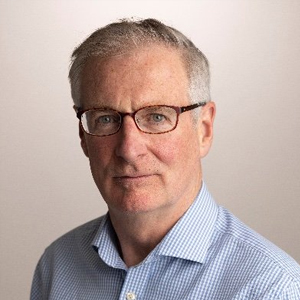
James Kynge: China, Technology and Geopolitical Strategy
James Kynge is a multi-award-winning journalist, author and former Global China Editor and Beijing Bureau Chief at the Financial Times. He spent almost 20 years living and working in China and has reported extensively across Asia, covering China’s economic rise, technological development and growing geopolitical influence. His latest book, Global Tech Wars: China’s Race to Dominate, explores the evolving technology rivalry between China and the US. His expertise is particularly relevant for CEO summits, geopolitical briefings and strategy sessions exploring China-US relations, technology competition, AI, trade and the implications of China’s rise for Asia and the global economy.
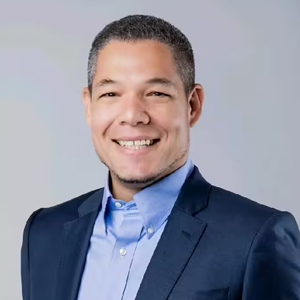
David R. Hardoon: AI Governance and Responsible Innovation in ASEAN
David Hardoon was the first Chief Data Officer at the Monetary Authority of Singapore (MAS), where he pioneered the FEAT principles, among the first regulatory AI guidelines globally. He subsequently served as Global Head of AI at Standard Chartered and CEO of Aboitiz Data Innovation in the Philippines. If your summit is navigating the question of how AI should be governed rather than simply adopted, Hardoon is the speaker who has shaped that conversation at a regulatory level across Southeast Asia.
Freddy Loo: Practical AI and Digital Transformation in Malaysia and ASEAN
Freddy Loo is Head of AI at Pos Malaysia and a CEO adviser with over 20 years of consulting experience across Fortune 500 companies and Malaysian organisations. He conducts pre-session interviews with leadership to tailor sessions directly to the organisation’s context, and has developed a national data strategy for social mobility in Malaysia. Where other futurists frame the landscape, Loo moves the room toward decisions.
These 4 speakers represent a selection of options for CEO summits, strategy days and ASEAN leadership forums, but they are by no means the full picture. Every keynote placed through the bureau is shaped around your event’s core question, and with 18 offices globally, LSB Asia can also access speakers beyond those publicly listed. If you already have a particular speaker in mind, the Asia team can explore their availability and suitability for your event.
The speaker who understands your room is not always the first name that appears in a search. Browse London Speaker Bureau Asia’s Future & Technology roster to explore speakers working across future trends, technology, CEO summits and ASEAN forums in the region. Submit an enquiry, and the Asia team can respond with a curated shortlist within 24 hours.
How to Write a Brief That Gets You the Right Keynote
A strong brief leads to a stronger shortlist. Keep it focused and cover these 4 key elements:
Define the strategic question
Go beyond the event theme. Identify the specific business decision or challenge your leadership team is navigating. “The future of work” is a theme. “How should we restructure our talent pipeline as AI adoption accelerates across our ASEAN operations?” is a strategic question. Brief the speaker on the question, not just the theme. A keynote built around a strategic decision is far more likely to be relevant and actionable.
Profile the audience
Seniority, industry and cultural context all shape how a speaker approaches the session. A GLC board requires a different tone and evidence base from a regional technology leadership team. The more clearly you define who is in the room, the more effectively the speaker can speak to them.
State the one shift you want to create
Identify the single change in perspective or behaviour you want attendees to take away. If you can’t express it in one sentence, the brief needs more work. Once the strategic question is clear, the desired shift usually becomes much easier to define.
Map the keynote’s position in the day’s agenda
A futurist opening a strategy day needs to set up the working sessions that follow. A speaker closing a conference needs to synthesise and leave the audience with a clear takeaway. The keynote’s position shapes its structure, so share the full run sheet where possible.
If your plans are still taking shape, that’s not a reason to wait. Many event planners approach the Asia team with a broad theme before the strategic question has been fully defined. Share what you have, and the London Speaker Bureau Asia team can help sharpen the brief before a speaker is shortlisted.
How to Book or Hire a Futurist Speaker Through London Speaker Bureau Asia
Booking through LSB Asia follows a clear process:
- Submit an enquiry with your event objectives, audience demographic, budget, and theme.
- The LSB Asia team suggests futurist speakers appropriate to your brief and budget.
- The bureau checks speaker interest and availability.
- Select your preferred speaker and complete the booking form.
- LSB manages speaker materials, logistics, travel, and on-day coordination.
Key points on fees and timing:
| Category | What to Know |
| Bureau fee | No additional cost to the event planner; speakers pay a standard commission from their established fee |
| Expenses to budget | Business-class airfare, accommodation, ground transfers, meals, and incidentals |
| Virtual or local engagements | Generally priced lower where travel is not required |
| Recommended lead time | As early as possible; most engagements are secured 3 to 6 months ahead |
| Last-minute requests | Accommodated where availability permits; contact the Asia team to check |
If you have further questions about the process, the section below covers what organisations most commonly ask before making a booking.
Find and Book a Futurist Speaker in Asia with London Speaker Bureau Asia
Knowing how to hire a futurist speaker in Asia who fits your summit brief is a matching process, not a directory search. When the right speaker, question and audience align, the keynote becomes the session your leadership team remembers and references long after the event.
London Speaker Bureau Asia manages the process from the initial briefing through to on-day speaker coordination, with no additional cost to the event planner. Based at Menara UOA Bangsar in Kuala Lumpur and supported by 18 offices globally, the team brings direct knowledge of Asian leadership audiences and the regional business context.
The conversation starts with your brief. Fill in the enquiry form or call the team directly at +603 2301 0988 to discuss your summit and receive a curated shortlist.
FAQ: Booking or Hire a Futurist Speaker in Asia
These are the questions event planners most commonly ask before confirming a booking.
What is the difference between a futurist speaker and a technology speaker?
The difference is scope. A technology speaker focuses on current tools, trends and how organisations can adopt them. A futurist looks further ahead, using geopolitical analysis and scenario modelling (mapping plausible futures to test which strategic decisions hold up, to explore what the next 5 to 15 years could look like).
How far in advance should I book a futurist speaker for a conference in Asia?
As early as possible. Most engagements are secured 3 to 6 months in advance, while high-profile futurists can fill their calendars quickly once summit dates are confirmed. Last-minute requests may still be accommodated, subject to availability. Contact the LSB Asia team to check availability for your date.
What topics do futurist speakers cover for Malaysian corporate events?
The 4 macro-themes are covered in the section above. The LSB Asia team monitors the landscape continuously to keep recommendations current.
How much does a futurist keynote speaker cost in Asia?
Fees vary based on profile, format, and travel requirements; the fees and expenses table in the booking section above covers the full breakdown.
Can a futurist speaker customise their keynote to our industry?
Many futurists on the LSB roster tailor their sessions to your event objectives and audience. The Asia team can also recommend Masterclasses for a more interactive format.

Dr. Ayesha Khanna
James Kynge
David R. Hardoon

Freddy Loo

Gerard Grech

Prof. Michael Wooldridge

Jamie Woodruff

Michio Kaku

Nicklas Bergman
FLEUR PELLERIN

Toby Walsh

Anita Schjøll Brede

Sophia the Robot

Gautam Ramdurai


