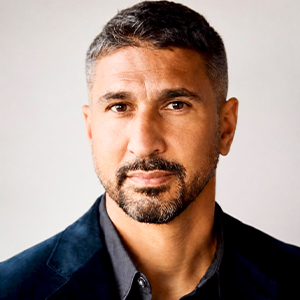
Pita Limjaroenrat is a Thai politician, business leader and democracy advocate who became one of Asia’s most prominent political figures after leading the Move Forward Party to victory in Thailand’s 2023 general election. Winning more than 14 million votes and the largest share of seats in parliament, he emerged as Thailand’s Prime Minister-designate before being blocked from taking office by the country’s military-appointed Senate. In 2023, he was named to the TIME100 Next list.
Today, Pita is a Senior Fellow at Harvard Kennedy School’s Ash Center for Democratic Governance and Innovation, where he focuses on leadership, public policy and democratic governance. His experience at the intersection of politics, business and civic engagement gives him a unique perspective on leadership, institutional reform and societal change.
Before entering politics, Pita worked in finance and management consulting, including roles with Boston Consulting Group and Grab Thailand. He also spent a decade leading his family’s agribusiness, successfully returning the company to profitability. His private speaking engagements have included UBS, Merrill Lynch BofA, the American, Japanese and Singaporean Chambers of Commerce, and leading private equity firms, often focused on political risk assessment within ASEAN.
As leader of Move Forward, Pita championed greater government transparency, economic modernisation and human rights reform. Although the party was dissolved in 2024 and he was banned from political office for ten years, he remains one of the region’s most influential voices on democracy, governance and the future of Southeast Asia.
Pita is the author of The Almost Prime Minister, a No. 1 bestseller in Thai and Mandarin, with the English-language edition due for release in September 2026. His story is also the subject of the upcoming documentary Lead the Way, which follows his journey from election winner to global advocate for democracy. Through his speaking engagements, Pita shares insights on leadership, political transformation, democratic resilience and the changing geopolitical landscape of Asia.