

How to Choose the Right Leadership Keynote Speaker for Conference in Kuala Lumpur
Summary:
- Start with a clearly defined outcome, not a speaker shortlist. The one shift you want attendees to leave with should drive every speaker decision.
- Cultural fit matters just as much as expertise. A leadership keynote speaker who understands Malaysian corporate dynamics will land where a globally credentialed one may not.
- Where you place the keynote matters. Opening keynotes set the frame; closing keynotes consolidate it.
- Early collaboration leads to a stronger keynote. Sharing a comprehensive event brief with your keynote speaker 4 to 6 weeks before the conference provides time to customise meaningfully, not just adjust logistics.
- Audience engagement runs across 3 phases. Prime the audience before, protect conditions during, extend the message after.
How to Choose the Right Leadership Keynote Speaker for a Conference in Kuala Lumpur
You are planning a corporate conference in Kuala Lumpur, and the keynote is the session your audience is most likely to remember. Get it right, and it shapes how attendees think, lead, and act long after the event ends. Get it wrong, and it becomes 45 minutes of polished content with little lasting impact. The difference often lies not in the speaker’s credentials, but in how the keynote is planned.
Kuala Lumpur ranked 26th globally for international association meetings in 2024, placing it among the top conference destinations in the Asia-Pacific region. With thousands of business events competing for the attention of senior executives each year, choosing the right leadership keynote speaker is no longer just about securing a well-known name. It’s about delivering a keynote that creates measurable value for your audience.
Many event planners begin their search for a leadership speaker in Malaysia by creating a shortlist of high-profile names. While understandable, this approach is often premature. The most successful conferences start somewhere else. Before contacting a single speaker, organisers first define 3 fundamentals: the outcome they want to achieve, the audience they need to influence, and where the keynote should sit within the conference agenda. These decisions provide the foundation for selecting a speaker who aligns with the event’s objectives and delivers lasting impact.
Why Should You Define Your Keynote Outcome Before Choosing a Speaker?
Before approaching a speaker or speaker bureau, define what you need the keynote to achieve. A vague brief almost always leads to a generic presentation. Whether your objective is to reshape organisational thinking, energise senior leaders, inspire teams, or support a strategic transformation, that desired outcome should guide every decision throughout the speaker selection process.
Many conferences in Malaysia struggle to maximise the impact of their keynote because this step is overlooked. Event planners often secure a leadership keynote speaker before clearly defining the event objectives, resulting in a presentation that is engaging but disconnected from the conference’s broader goals.
Instead, begin with a concise outcome statement before starting your speaker search. In just one paragraph, define the single shift in mindset, behaviour, or perspective you want attendees to leave with. This simple exercise creates a stronger event brief, helps identify the right leadership keynote speaker, and ensures every conversation with a speaker or bureau remains focused on delivering meaningful impact.
Match the Speaker to Your Audience’s Context
Malaysian corporate audiences are culturally diverse and professionally discerning. A speaker with strong global credentials but no understanding of the Association of Southeast Asian Nations (ASEAN) business landscape will likely miss the room.
The practical filter is straightforward. Does the speaker understand hierarchy, relationship-based business culture, and the mix of industries represented in a typical KL corporate audience? Credibility in this context is not a matter of fame. It comes from being close to the region, whether that closeness is political, commercial, or geographical.
A global leadership speaker brings an outside-in perspective that can reframe familiar problems. A regional leadership speaker in Malaysia brings contextual authority. Speakers based in Asia with expertise in leadership and organisational motivation are useful starting points for shortlisting but the right choice depends on your stated outcome.
For conferences seeking ASEAN-grounded perspectives, 3 speakers tend to resonate with KL audiences:
- Tan Sri Wahid Omar brings decades of experience across banking, corporate leadership, and national transformation. As the former President and CEO of Maybank Group and former Chairman of Bursa Malaysia, he has led organisations through periods of significant change and growth. His perspectives on leadership, governance, organisational transformation, and navigating complexity make him a strong fit for senior executive audiences seeking practical lessons from the region’s business landscape.
- Syed Saddiq offers a distinctive perspective on leadership, youth empowerment, and shaping the future of Southeast Asia. As Malaysia’s former Minister of Youth and Sports and founder of MUDA, he brings insights into engaging the next generation of leaders, driving change, and navigating leadership in a rapidly evolving social and political environment.
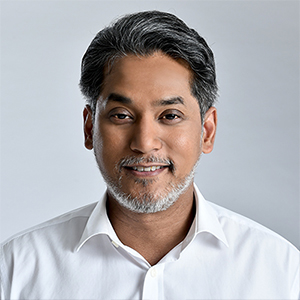
- Khairy Jamaluddin brings a unique combination of government, healthcare, business, and media experience. As Malaysia’s former Minister of Health, he led the country’s national COVID-19 vaccination programme during one of its most challenging periods. Today, through his work in media and public discourse, he speaks on leadership under pressure, navigating uncertainty, innovation, and the future of Malaysia and ASEAN.
Each has direct experience within the region’s political and commercial systems. For global voices with demonstrated ASEAN relevance, 2 speakers can bring an external lens without losing contextual depth:
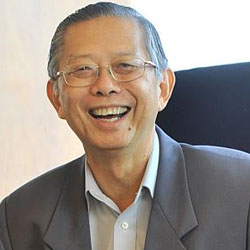
- Lim Siong Guan brings over 4 decades of leadership experience across government, public service, and business. As the former Group President of GIC and former Head of the Singapore Civil Service, he has advised and led institutions through periods of significant economic and societal change. His insights on leadership, organisational excellence, long-term thinking, and building high-performing institutions offer valuable lessons for leaders navigating uncertainty and transformation across Asia.
- Kishore Mahbubani is a renowned diplomat, author, and geopolitical thinker with deep expertise in Asia’s rise and its evolving role in the global order. As a former Permanent Representative of Singapore to the United Nations and former Dean of the Lee Kuan Yew School of Public Policy, he brings decades of experience analysing global affairs, diplomacy, and the shifting dynamics between Asia and the world. His perspectives help audiences understand the geopolitical forces shaping business, leadership, and strategy in the region.
Availability and current profile details should be confirmed directly with the bureau’s Asia team before any commitment is made.
Build the Keynote Into the Agenda, Not Onto It
Once you have the right speaker, the next decision is where they sit during the day. The most common mistake event planners make is treating the keynote as a standalone set piece. Where you place the session in the agenda, what precedes it, and what follows it all shape how the audience receives the message.
A leadership session at the start of a corporate conference in Malaysia can anchor the day around a single strategic question. It gives breakout groups and panels something concrete to build on. A closing keynote, by contrast, requires a speaker who can tie the day’s threads together without simply repeating them.
| Opening keynote | Closing keynote | |
| Purpose | Sets the strategic frame for the day | Consolidates themes and energises the room |
| Speaker strength needed | Ability to introduce and anchor a central question | Narrative control to synthesise without repeating |
| What should precede it | Housekeeping or short welcome only | Sessions that leave open threads for the speaker |
| What should follow it | Breakout groups or panels that build on the keynote’s question | End of programme or networking |
With the placement decision made, the next step is the briefing itself. Share the full programme with your speaker so they understand their position in the day’s arc and can adjust their delivery accordingly.
What Should a Strong Keynote Speaker’s Brief Include?
A speaker briefing is not a logistics document. It is a strategic handover. A strong brief for a leadership speaker in Malaysia covers 5 things:
- Confirm the conference theme and its business context. The speaker needs to understand what the organisation is navigating, not just what the event is called.
- Profile the audience. Include seniority levels, industry mix, and cultural background. A Malaysian corporate audience requires a different calibration than a single-function team.
- Define the one outcome the keynote must deliver. A brief with multiple objectives gives the speaker nowhere to anchor. Name the single shift you want attendees to leave with.
- Note any topics or framings to avoid. Internal restructures, recent setbacks, or sensitive subjects can undermine a strong session if the speaker walks into them unprepared.
- Explain how the keynote connects to the sessions around it. A speaker who knows their position in the day’s arc can open threads for what follows, rather than delivering a set piece that sits apart from the rest of the programme.
Global and senior speakers, particularly those represented by a bureau, will often have their own intake process. The more precise and contextual your brief, the more the speaker can calibrate their content to your audience.
Share the brief at least 4 to 6 weeks before the event. This gives both sides enough time for meaningful customisation rather than last-minute adjustments. A bureau with a full-service placement model will typically manage the process from start to finish, including developing the brief, securing the speaker, and coordinating contracts, logistics, and travel. That coordination can help ensure alignment well before the day itself.
Not sure which speaker fits your conference? London Speaker Bureau Asia works with conference planners across Malaysia to handle the shortlisting, briefing, and logistics. Reach out to the team to discuss your event.
Maximise Engagement Before, During, and After
When you book a leadership speaker in Malaysia, audience engagement does not begin when they step on stage. It starts with how you prepare your audience beforehand, create the right conditions on the day, and extend the message after the session. A successful keynote is not just about the speaker’s delivery, it is about maximising the impact before, during, and after the event.
| Phase | Planner’s role | One clear action |
| Before | Prime the audience with intent | Circulate a 2 to 3-sentence preview of the keynote’s central question at least one week prior |
| During | Protect the speaker’s conditions | Assign one team member as the speaker’s single point of contact for timing, AV, and room conditions |
| After | Give the message somewhere to go | Send a one-page summary of the keynote’s core argument to all attendees within 48 hours |
All 3 phases are within the planner’s control. The speaker, the brief, and the agenda slot are the decisions that make them possible.
Find the Right Leadership Speaker in Malaysia with London Speaker Bureau Asia
The speaker you choose, the brief you create, and the agenda slot you select all shape the impact of your keynote. When these 3 elements align, a leadership keynote can become the defining moment of your conference: one that resonates with attendees long after the event ends.
At London Speaker Bureau Asia, based at Menara UOA Bangsar in Kuala Lumpur, we work with event planners across Malaysia and the wider ASEAN region to match the right leadership voice to the right conference. Fill in the enquiry form or call us at +603 2301 0988 to discuss your next event.
Chatri Sityodtong
Azran Osman-Rani
Chef Pam

Adele Lim
Dr. Marty Natalegawa
Khairy Jamaluddin
Rawit Hanutsaha
Lim Siong Guan

Ann Osman

Dr. William Tan
Ada Tsang

Dr. Jason Leong
Claire Chiang
Abhisit Vejjajiva